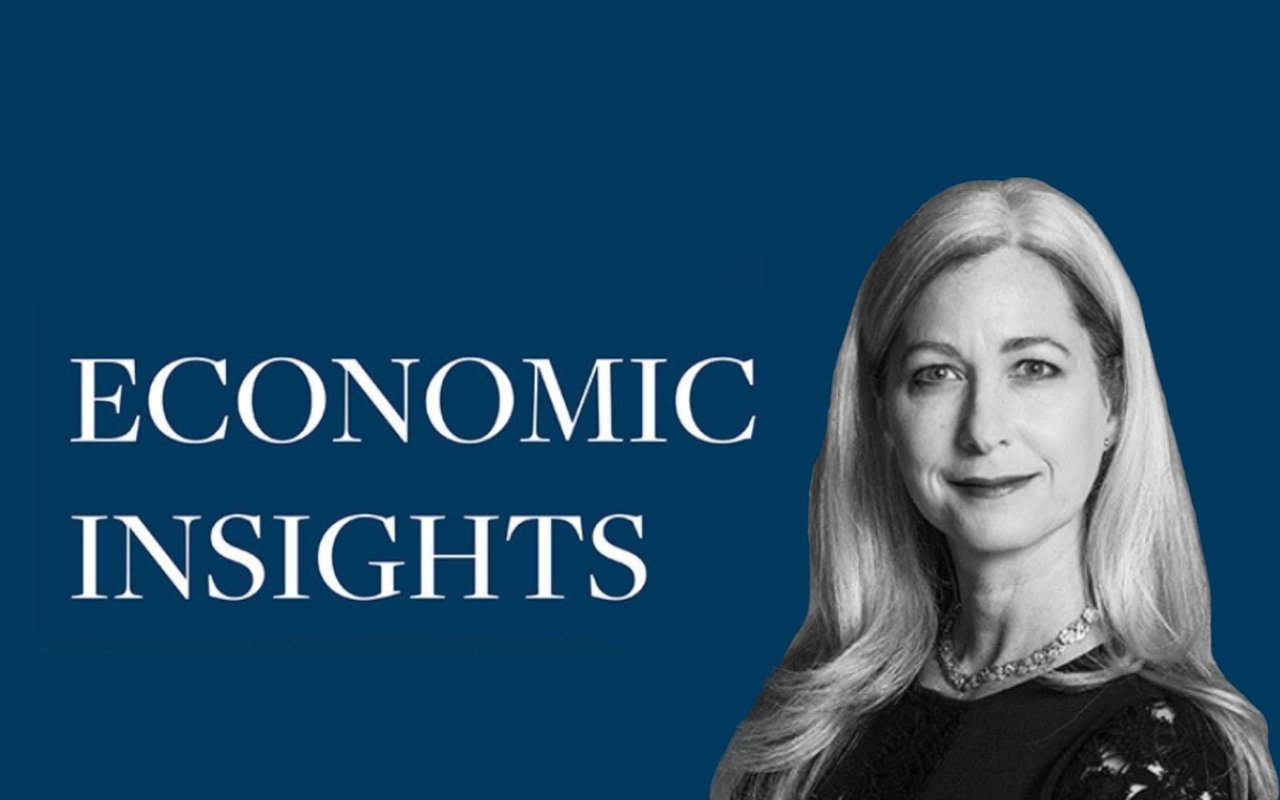
LeadingRE Chief Economist Dr. Marci Rossell’s latest webinar highlighted 5 economic insights for August 16th through September 20th. Some of these recent shifts in the market are reshaping financial landscapes and offering new opportunities. Explore how these developments are influencing markets and what they mean for investors and consumers.
Japan’s Economic Shockwaves
The Bank of Japan’s unexpected rate hike sent ripples through global markets, shaking up the financial landscape. While most central banks have steadily raised rates to control inflation, Japan’s unique circumstances make it an outlier. Their sudden rate increase surprised investors, particularly those involved in the “carry trade,” where low-interest loans are used to invest in higher-yielding assets globally. This surprise move disrupted the profitability of such strategies, creating global market volatility. Despite the upheaval, Dr. Rossell assures that this is unlikely to lead to a global or U.S. recession
U.S. Federal Reserve Rate Cut
The U.S. is on track for a rate cut in September, with inflation reported at 2.9% in July — the lowest since 2021. The Federal Reserve is carefully navigating the economic landscape, aiming to lower inflation to 2% without overly tightening the labor market. Despite a slight increase in unemployment to just over 4%, there’s no indication of significant layoffs. Dr. Rossell expects another rate cut after the November election, with mortgage rates potentially stabilizing around 5.5%, though they won’t return to the lows of 3.5-4%.
Mortgage Rate Fluctuations
A recent report from Freddie Mac indicates an uptick for the first time in three weeks. The refinancing risk, which spikes when rates drop, has led to sharper increases in mortgage rates. However, as rates approach 5.5%, this risk diminishes, potentially leading to more stability in the market. Dr. Rossell anticipates a smoother decline in mortgage rates, offering some relief to consumers by the year’s end.
No Evidence of U.S. Economic Slowdown
Despite high prices — 25% above pre-pandemic levels — consumer spending and jobs remain strong. The U.S. economy is not showing signs of a slowdown, with the Commerce Department reporting robust retail activity in July. Homebuilding has slowed, but this is seen as a temporary pause until the Federal Reserve cuts rates. Real GDP growth is projected at 2.9%, well within positive territory, reinforcing that the U.S. is not facing a recession.
Global Economic Outlook
The global economy has been hit by Japan’s economic tremors, especially in countries with currencies overvalued against the U.S. dollar. However, as the Federal Reserve begins to lower rates, emerging markets like Mexico, Brazil, Turkey, and South Africa are expected to benefit from an increased flow of funds. Dr. Rossell emphasizes that this could be a significant positive development for these economies, helping them recover from recent financial strains.